


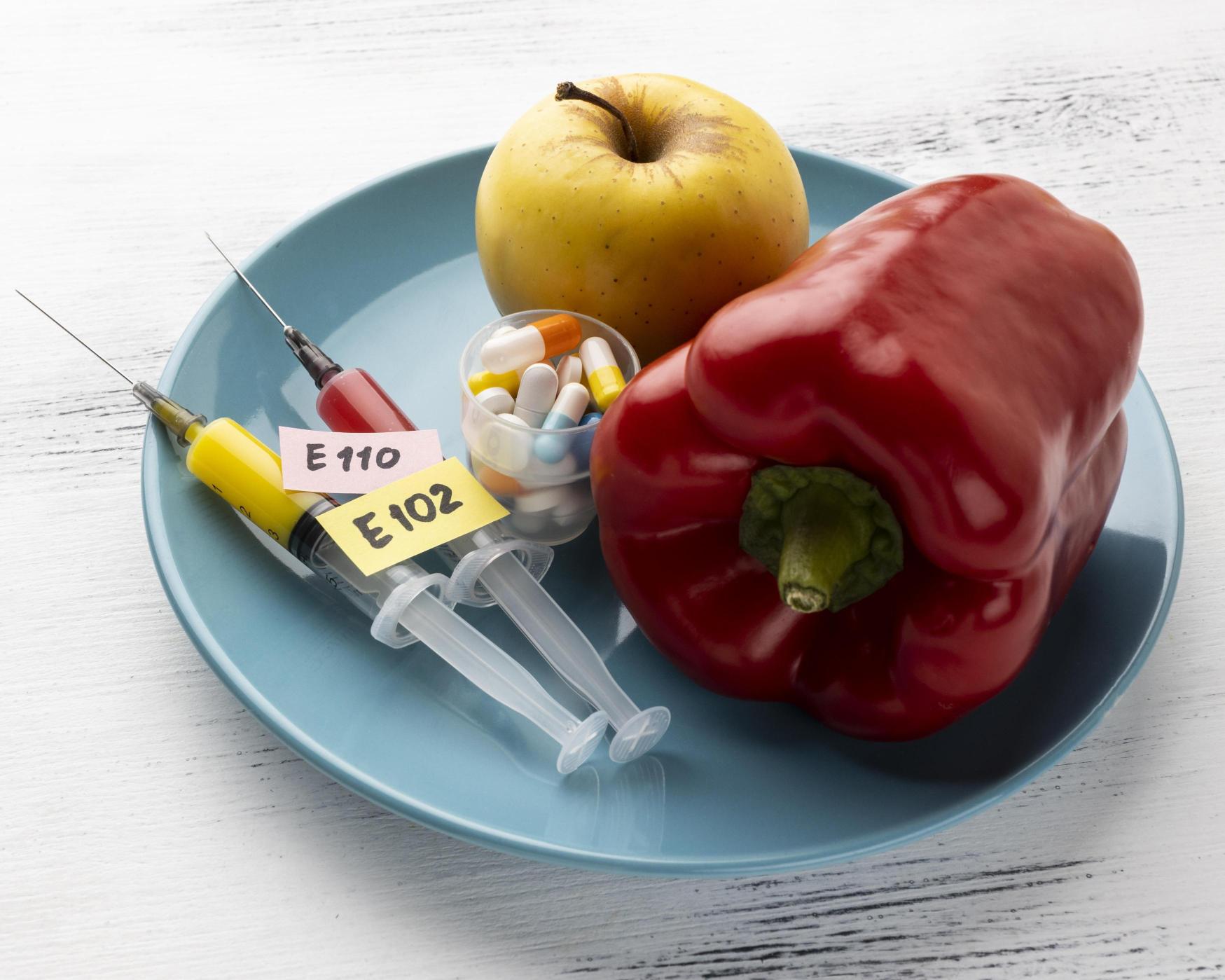
Why Organic Food Is Not a Luxury — It Is a Necessity
“Organic food is for the rich.” It is perhaps the most damaging myth about clean eating in India. It keeps millions of families locked into pesticide-contaminated food by convincing them that the alternative is out of reach. This blog dismantles that myth with facts — and makes the case that organic, chemical-free food is not a premium lifestyle choice. It is the baseline standard that every human body requires to function without being slowly poisoned.
The Real Price of Cheap, Chemically Treated Food
When you buy the cheapest chilli powder at the market, you are not saving money. You are deferring a cost — to your liver, your kidneys, your immune system — that will eventually be paid in the form of medical bills, lost productivity, and reduced quality of life.
Consider this calculation:
- A 200g packet of conventionally produced red chilli powder: ₹30
- A 200g packet of verified chemical-free red chilli powder: ₹45–55
- Difference per month (assuming 400g consumption): ₹15–25 per month
- Annual difference: ₹180–300
- Cost of one nephrology consultation if kidney damage develops: ₹1,500–3,000
- Cost of cancer treatment per month: ₹50,000–5,00,000+
The “expensive” organic option costs a fraction of a single medical consultation. The framing of organic food as a luxury is financially irrational once the health economics are included.
What Organic Actually Means in the Indian Context
In India, organic certification is governed by:
- NPOP (National Programme for Organic Production): Administered by APEDA. The most rigorous standard, internationally recognised.
- PGS-India (Participatory Guarantee System): A grassroots certification system for small and marginal farmers, overseen by NCONF.
A product with either certification has been grown without synthetic pesticides, chemical fertilisers, or GMO inputs, and the certification body has verified this through field inspection. Note: ‘chemical-free’ and ‘natural’ labels without NPOP or PGS-India certification are marketing claims, not verified standards. Always look for the certification mark.
The Proven Health Benefits of Organic Food — What Studies Show
- Higher antioxidant content: Multiple peer-reviewed studies found organic crops contained significantly higher concentrations of antioxidants — up to 60% more in some categories.
- Lower pesticide residue: Organic produce contains 80–90% fewer pesticide residues than conventionally grown equivalents.
- No synthetic nitrate contamination: Conventionally grown vegetables frequently have elevated nitrate levels linked to methemoglobinaemia and colorectal cancer.
- Better gut health outcomes: Populations eating primarily organic diets show healthier, more diverse gut microbiomes.
- Reduced ADHD risk in children: Organic diet interventions measurably reduced urinary pesticide metabolites linked to ADHD within days.
Traditional Indian Food Was Always Organic
There is a profound irony in the framing of organic food as Western or elitist. The food your grandparents ate — grown without synthetic pesticides (introduced to India only during the Green Revolution of the 1960s), cooked with whole, unprocessed spices ground at home, with milk from cows that grazed naturally — was, by today’s definition, entirely organic. What we call organic food today is simply a return to what Indian food was for thousands of years before industrial agriculture introduced synthetic chemistry into the food chain. It is not a lifestyle upgrade. It is a restoration.
Making the Switch: Start Here
- Prioritise the highest-risk categories first: spices, milk and dairy, leafy greens, and fruits with edible skin (apples, grapes, strawberries) carry the highest pesticide load per serving.
- Buy whole spices and grind at home — the adulteration almost always occurs in the powder.
- Switch your daily staples — dal, rice, atta — to a verified chemical-free source first. These form the bulk of your caloric intake and pesticide exposure.
- Look for NPOP or PGS-India certification marks on organic products.
- Buy from platforms with documented zero-chemical sourcing standards and FSSAI batch verification.
QuickTrolly makes chemical-free, pesticide-free food accessible to every Indian household — at fair prices, with same-day delivery. www.quicktrolly.in