


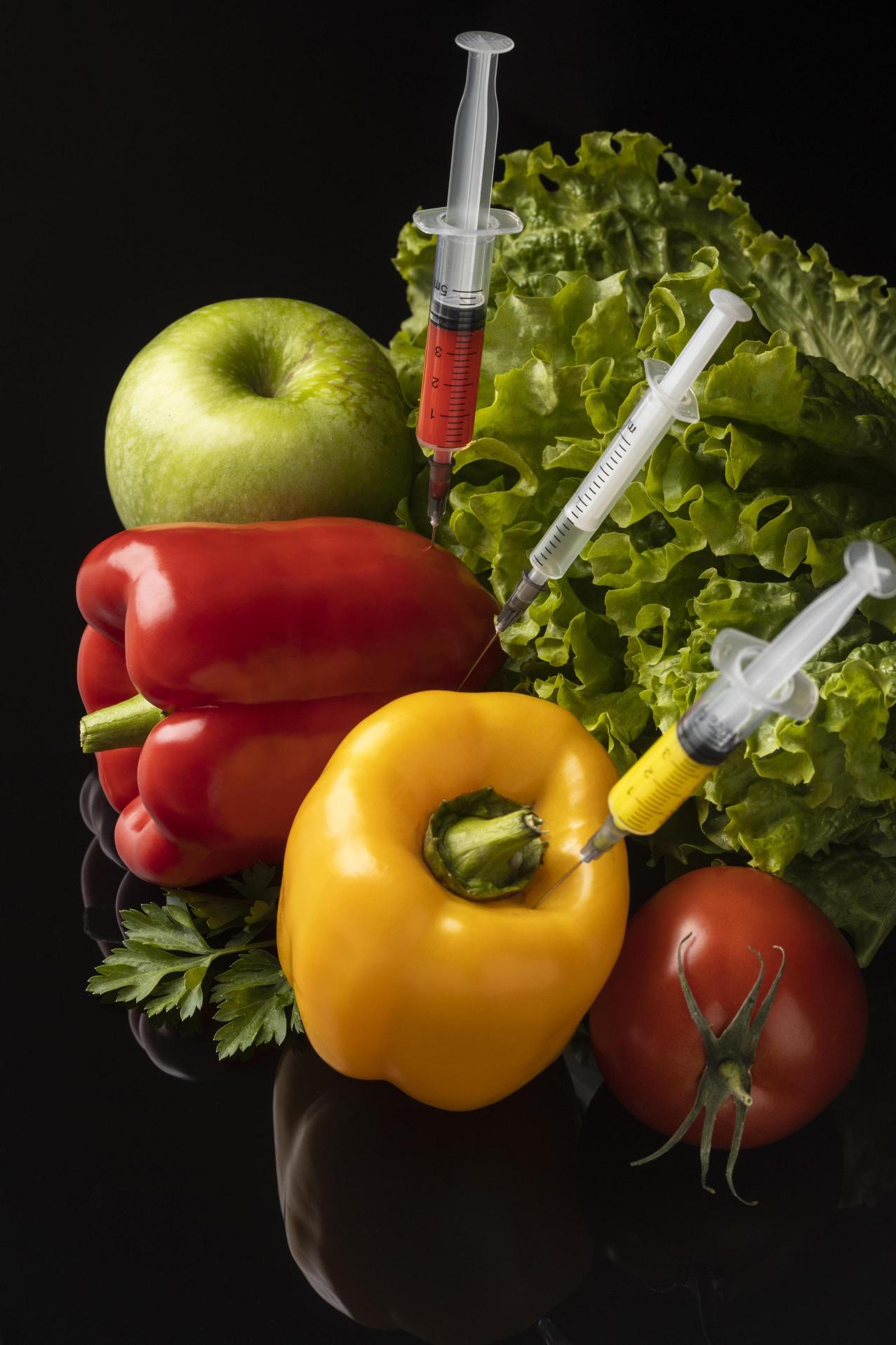
Children & Chemical Food: Why Kids Are Most at Risk
A child eating the same meal as an adult, with the same pesticide residues, is not being exposed to the same risk. Pound for pound, children receive a higher dose. Their developing organs process toxins less efficiently. Their brains, nervous systems, and endocrine systems are being built in real time — and chemical exposure can derail that construction permanently. This is not speculation. It is established science. And in India, where 1 in 5 food samples fails safety standards, children are being exposed daily.
Why Children Are More Vulnerable
- Higher food intake relative to body weight: children eat and drink more relative to their size than adults — meaning they consume proportionally higher doses of any chemical contaminant per kilogram of body weight
- Immature detoxification systems: the liver and kidney enzymes responsible for metabolising and eliminating pesticides are not fully developed until adolescence — chemical compounds remain in a child’s body far longer
- Developing blood-brain barrier: the blood-brain barrier, which protects the brain from toxins in the bloodstream, is not fully formed until around age 3 — making infants and toddlers particularly vulnerable to neurotoxic chemicals
- Rapid cell division: children’s cells divide rapidly as part of normal growth. Cells undergoing rapid division are more susceptible to DNA damage from genotoxic chemicals — the mechanism by which pesticides cause cancer
- Longer life ahead: a child exposed at age 5 to a carcinogenic compound has 70+ more years for that damage to express as disease
The Evidence: Childhood Diseases Linked to Pesticide Exposure
Childhood Leukaemia (Blood Cancer)
The primary link between pesticide exposure and childhood blood cancer is among the most consistently replicated findings in environmental health research. A meta-analysis published in Environment International (2015) found children living in households or agricultural areas with pesticide use had a 2–3 times higher risk of childhood leukaemia. The specific pesticides most associated: organophosphates, organochlorines, and carbamates.
Brain Tumours in Children
A notable research study documented a higher risk of childhood cancer — specifically brain tumours — from pesticide exposure in households. Maternal exposure during pregnancy (through contaminated food, water, or agricultural contact) is the primary exposure pathway. The foetal brain is most vulnerable during the first trimester.
ADHD (Attention Deficit Hyperactivity Disorder)
A landmark 2010 study in the journal Pediatrics (Bouchard et al.) found that children with higher urinary levels of organophosphate metabolites were significantly more likely to be diagnosed with ADHD. The association was dose-dependent — higher OP exposure, higher ADHD risk. Indian data on OP residues in children’s foods is alarming: chlorpyrifos and malathion are among the most commonly detected residues in Indian vegetables.
Autism Spectrum Disorder (ASD)
Multiple population studies in the USA and Europe have found associations between prenatal pesticide exposure (organophosphates and pyrethroids) and increased ASD risk. A 2014 study in Environmental Health Perspectives found children born to mothers living within 1.5 km of agricultural pesticide applications had a 60% higher risk of ASD. Indian research on this specific link is limited, but dietary OP exposure pathways are documented.
Delayed Cognitive Development
Even without diagnosable conditions, low-level chronic pesticide exposure is linked to measurably lower IQ, impaired memory, reduced attention span, and slower language development in children. A 7-point IQ deficit has been associated with prenatal OP exposure in studies of agricultural communities. In a country where cognitive development directly determines life outcomes, this is a public health crisis of enormous scale.
Reproductive Development Disruption
Endocrine-disrupting pesticides interfere with the hormonal signals that govern puberty, reproductive development, and fertility. Precocious puberty (early onset of puberty) in girls is rising sharply in India, with environmental chemical exposure — particularly oestrogen-mimicking compounds in food — identified as a significant factor by Indian paediatric endocrinologists.
The Infant and the Breast Milk Pathway
For infants, the threat begins before birth. Organochlorine pesticides that bioaccumulate in the mother’s fatty tissues are mobilised during pregnancy and lactation. Studies show measurable levels of DDT, HCH, Endosulfan, and other OC compounds in the breast milk of Indian mothers — even in urban populations far from agriculture, because these compounds enter the food chain through residues in dairy, meat, and fish. This does not mean breastfeeding is unsafe — the health benefits of breastfeeding overwhelmingly outweigh the risks for most mothers. But it does mean that reducing maternal dietary chemical exposure, particularly during pregnancy and breastfeeding, is not optional. It is a direct investment in the child’s neurological and immune development.
What Parents Can Do
- Switch spices to verified chemical-free sources immediately — spices are consumed daily and are among the most adulterated foods in India
- Switch dal, rice, and atta to chemical-free verified sources — these form the bulk of a child’s caloric intake
- Peel and wash fruits and vegetables thoroughly before cooking — but be aware this does not eliminate systemic pesticides that have been absorbed into the flesh
- Avoid giving children packaged snacks with artificial colours (E102 Tartrazine, E110 Sunset Yellow, E122 Carmoisine) — these are banned in several countries and linked to hyperactivity
- Choose NPOP or PGS-India certified organic produce for fruits and vegetables in children’s diets wherever possible
Your children deserve food that builds them, not harms them. QuickTrolly — chemical-free, pesticide-free groceries for every Indian family. www.quicktrolly.in